Culture & sights
Kochi's churches, synagogue and temples: 7 places of worship, ranked
Seven buildings that carry five centuries of Kochi's religious history, ranked by what you actually get from standing inside them — with the dress codes and closing days that catch visitors out.
1. St Francis Church, Church Road, Fort Kochi
Built by the Portuguese in 1503 in timber and rebuilt in stone within the following two decades, this is the oldest European church in India and it has changed hands with every empire that took the harbour: Catholic, then Dutch Protestant after 1663, then Anglican after 1795, and Church of South India today. Vasco da Gama died in Kochi in 1524 and was buried here; his remains went to Lisbon in 1539 but the marked grave slab is still in the floor, roped off, and people still queue to photograph it.
Go for the ceiling as much as the grave. Rows of punkahs — long cloth fans on wooden frames with rope pulleys, once worked by hand during services — hang above the nave, and the Dutch and British memorial tablets on the walls read like a casualty list of fevers and shipwrecks. Entry is free with a donation box; shoulders and knees covered. Sunday mornings are for worship, not sightseeing, so come on a weekday morning when light comes through the open doors and the Parade Ground outside is quiet.
2. Paradesi Synagogue, Synagogue Lane, Jew Town
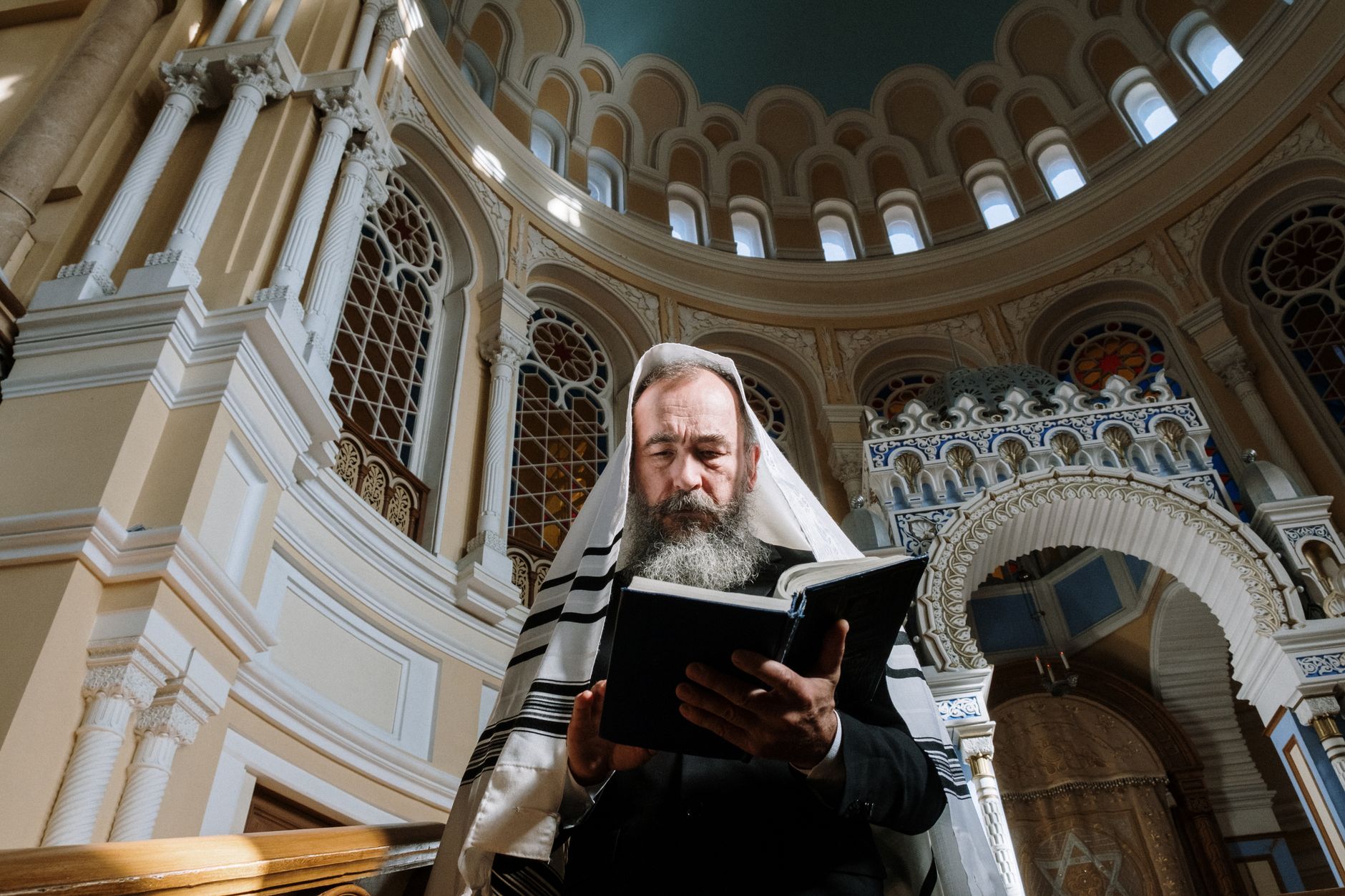
Founded in 1568 beside the Mattancherry Palace compound, burned by the Portuguese in 1662 and rebuilt under the Dutch, this is the working heart of a community that has now almost entirely left. The floor is laid with hand-painted blue-and-white tiles brought from Canton in the eighteenth century, no two patterns alike; Belgian glass chandeliers hang above; the clock tower outside dates from the 1760s and carries faces in Hebrew, Malayalam and Roman numerals.
It ranks second only because the visit is short — the prayer hall is one room and you will be inside fifteen minutes. Make them count by walking the lane first, past the old Jewish house names and the cemetery gate. The rules are strict and non-negotiable: closed on Fridays after midday, closed Saturdays, closed on Jewish holidays, no photography inside, shoes off, no shorts or sleeveless tops. A small entry fee is charged in rupees at the door. Verify opening days before planning a Mattancherry morning around it.
3. Santa Cruz Cathedral Basilica, Fort Kochi
The Portuguese founded a church on this site in 1505; the British demolished its successor in 1795, and the building you walk into was consecrated in 1905 and raised to basilica status in 1984. From outside it is a white and pastel confection that looks younger than it is. Inside is the surprise: a painted interior attributed to the Italian Jesuit artist Fr Antonio Moscheni, with ceiling panels, painted columns and a Last Supper mural that would not look out of place in a provincial Italian cathedral.
It is two minutes' walk from St Francis, so there is no argument about doing both in one morning; do Santa Cruz second, because the plainness of the older church lands better before the colour. Mass times are posted at the door and visitors should not wander during services. Photography of the interior is generally tolerated without flash, but ask. Combine the pair with a walk down Princess Street and along Calvathy Road rather than treating them as separate ticks on a list.
4. Sree Poornathrayeesa Temple, Tripunithura
Twelve kilometres south-east of Ernakulam, in the old royal town of the Cochin kings, this is the region's grandest Hindu temple and the antidote to the colonial-heritage circuit that dominates Fort Kochi. The deity is Vishnu in the Santhanagopala form; the compound is vast, with an outer ground built for elephants and the eight days of Vrischikotsavam around November and December, when caparisoned elephants line up under a wall of drumming and evening firework displays run late.
The condition attached: entry is restricted to Hindus, and the dress code is enforced — men remove shirts and wear a mundu, women wear a sari or salwar. If you cannot enter, the outer grounds during festival week still give you the elephants, the panchavadyam percussion and the crowd, which is most of the experience. The same applies to the Ernakulathappan Shiva temple on Durbar Hall Road in the city centre, whose January-to-February utsavam brings the same spectacle within walking distance of Marine Drive hotels.
5. Dharmanath Jain Temple, Mattancherry
A marble Jain temple serving the Gujarati merchant families who have traded from Mattancherry for generations, five minutes' walk from Jew Town and almost entirely missed by visitors who come for the synagogue and turn back. The reason to go is timing: around the middle of the day, sacks of grain are scattered in the courtyard and pigeons arrive in their thousands, a daily feeding that is loud, chaotic and completely unstaged. The exact hour varies, so ask locally at a Bazaar Road shop.
Inside, the contrast with the harbour outside is the point — cool marble, silence, shoes off, no leather items carried in, modest dress, and photography restricted in the shrine areas. Combine it with the Gujarati street shops nearby, where you can buy snacks that have nothing to do with Kerala cuisine and everything to do with who actually settled this quarter. Fifteen minutes here reframes Mattancherry as a working merchant town rather than a heritage set.
6. Chottanikkara Bhagavathy Temple, 17 km south-east
Chottanikkara is where you see Kerala Hinduism as devotion rather than architecture. The temple, reached in 40 to 60 minutes from the city via Vyttila depending on traffic, draws enormous crowds, and its lower shrine at Keezhukavu is nationally known for rituals performed for those believed to be possessed — an intense, uncomfortable scene that some visitors find compelling and others should skip. Makam Thozhal, around February or March, is the biggest day of the year and the compound is packed from before dawn.
Come at first light if you come at all. The nirmalya darsanam in the small hours has the lamps, the oil smell and the queue at its most atmospheric, and you are back in the city for breakfast. Entry is for Hindus, and the same shirtless-and-mundu rule applies to men. If temple crowds are not your thing, skip this and give the time to Tripunithura instead, where you can appreciate the architecture from the outer ground without joining a queue.
7. The Muziris pair: Chendamangalam Synagogue and Cheraman Juma Masjid
North of the city, on the old Muziris coast, sit two buildings that push Kochi's religious history back beyond the Portuguese. Chendamangalam Synagogue, around 35 km out and part of the Muziris Heritage circuit, stands restored beside a tombstone dated to 1269, in a quiet village setting with the Paliam Palace and Dutch-era houses nearby. Cheraman Juma Masjid at Kodungallur, around 45 km and up to an hour and a half by road, carries the traditional claim of being the subcontinent's first mosque, founded in the seventh century.
Treat them as one outing rather than two: hire a car for the day, do Chendamangalam mid-morning, Kodungallur after lunch, and be back before the evening traffic builds on the Paravur road. Both are modest buildings — the mosque has been rebuilt in modern form with an older wooden core preserved as a display — so come for the chronology, not for grandeur. Confirm opening days for the synagogue and museums in advance; several Muziris sites close one day a week.
Good to know
Questions, answered
Can non-Hindus enter Kerala temples in Kochi?
Generally no. Sree Poornathrayeesa in Tripunithura, the Ernakulathappan temple and Chottanikkara all restrict entry to Hindus, and the rule is enforced at the gate. You can still watch festival processions, elephants and percussion from the outer grounds and surrounding streets, which is where most of the spectacle happens anyway.
Which days is the Paradesi Synagogue closed?
It closes on Saturdays and from midday on Fridays for Shabbat, and on Jewish holidays, which can catch out anyone planning a Mattancherry day around it. There is a small rupee entry fee, photography inside is not allowed, and shoes come off at the door. Verify the current schedule before travelling.
What should I wear for a day visiting these sites?
Cover shoulders and knees for everything on this list. Carry slip-on shoes, because you will remove them repeatedly. For temples that admit you, men need a mundu and no shirt, and women a sari or salwar kameez; a light cotton scarf in your bag solves most last-minute problems.
Is Vasco da Gama really buried at St Francis Church?
He was buried there after dying in Kochi in 1524, and the grave slab in the floor is marked and railed off. His remains were moved to Lisbon in 1539, so the tomb is empty. It remains the most tangible link in India to the voyage that opened the sea route from Europe.
Doing good is the business
Every booking in Kochi removes one tonne of CO₂
Same hotel, same room, same live price you would pay anywhere else — IMPT funds one verified tonne of carbon removal per stay, never added to your bill.