Seasons & events
What shuts in Kochi and when: ferries, waterfalls, beaches and closed days
A dozen predictable closures wreck more Kochi itineraries than the weather does — from the Friday shutdown at Mattancherry Palace to the base of Athirappilly being roped off for four months of the year.
The weekly closures that catch everyone
Three of Kochi's headline sights are shut on fixed days and people arrive anyway. Mattancherry Palace, the Dutch Palace with the Ramayana murals, closes on Fridays. The Paradesi Synagogue in Jew Town does not open on Saturdays, closes for Jewish holidays, and shuts early or entirely on Friday afternoons. The Hill Palace museum at Tripunithura, the biggest archaeological museum in the state and a genuinely good half-day, closes on Mondays. Stack a Friday and a Saturday together in Mattancherry and you can lose both of that quarter's main indoor attractions.
Build the week around this rather than fighting it. Do Mattancherry and Jew Town on a weekday that is not Friday, keep Friday for Fort Kochi's churches, the Chinese nets, the Dutch cemetery and a walk down Bazaar Road, and put Hill Palace on a Tuesday to Sunday. Opening hours and closed days do change and holidays add ad hoc closures, so confirm on the day by phone or with your hotel's front desk before committing a 40-minute journey. Ticket counters also typically stop selling 30-45 minutes before the stated closing time.
The sea, from June to September
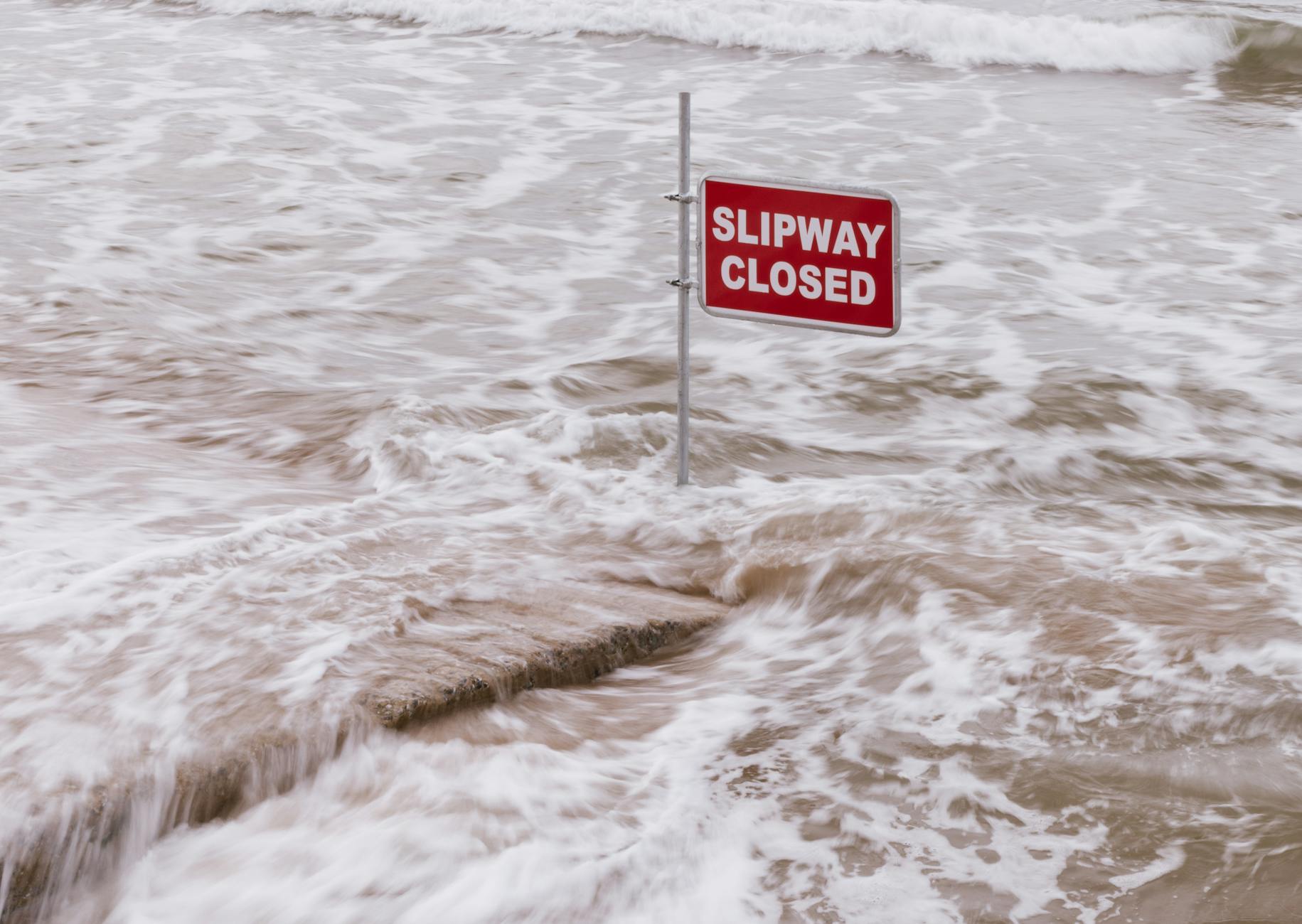
Kochi's coast is not a swimming coast during the southwest monsoon. From roughly June to September the surf at Cherai, 25km north via Vypin, and along the Fort Kochi seafront is rough, the currents are dangerous and lifeguards routinely close the water to bathers. Sea-wall damage and beach erosion are real problems along this stretch, and sections of Fort Kochi beach are periodically fenced during repair works. Getting in the water when the red flags are up is the most common serious accident involving visitors on this coast.
Off-season, Cherai works again from about late October, with the best swimming conditions from December to March. Even then, treat lifeguard instructions as binding and stay where others are swimming — the drop-off in places is abrupt. Fort Kochi beach itself is for walking and sunset, not swimming, whatever the season. If sea time is central to the trip, book December to March, and if you are here in July, redirect to backwater cruising, pools and the estuary rather than the open coast.
Boats, ferries and houseboats in bad weather
The passenger ferries between Ernakulam, Fort Kochi and Vypin, and the Water Metro routes, generally keep running through the monsoon, but individual sailings get suspended in squalls, high winds or when the port authority issues a warning. That is a nuisance rather than a disaster in the city, where road alternatives exist via the Vypin bridges, but it becomes serious if you have a flight. For anything time-critical, allow a land fallback and check the day's operating position with the operator at the jetty; published timetables change seasonally.
Houseboats are the bigger issue. During heavy rain events and when district authorities issue alerts for the Vembanad system, cruising is restricted or suspended outright, and operators may keep boats moored or cancel. In practice that means a monsoon houseboat booking carries genuine cancellation risk — take a refundable rate, and be aware that a day cruise from Alappuzha at ₹1,500-3,000 a head exposes you to far less than a ₹6,000 overnight that gets cancelled at noon. Check the district administration's current advisories before travelling in June to August.
Athirappilly, Vazhachal and the forest roads
Athirappilly, about 70km from Kochi past Chalakudy, is at maximum flow in the monsoon and that is exactly when access is most restricted. The stepped path down to the base of the falls is closed by forest staff whenever the Chalakudy river runs high, which in a wet year can mean much of June to September and again after heavy October storms. The top viewpoint usually stays open. Entry is ticketed and rates are revised periodically, so check the current fee and access status with the forest department before setting out.
The forest roads themselves have hard rules. The stretch beyond Vazhachal toward Malakkappara is a wildlife corridor with timed access, and vehicles are not permitted after dusk. The same principle applies around Thattekkad and other forest areas — plan to be out before dark, not because of a soft guideline but because the barrier comes down. In heavy rain, landslip closures on this route and on the Munnar ghat via Neriamangalam are common. If a hill day trip is fixed in the plan, ask your driver to check road status that morning.
Munnar and the hills in landslide season
Munnar is 130km and about four hours from Kochi in good conditions, and the good conditions are not June to August. The Idukki hills carry serious landslide risk in heavy monsoon, and both main approach roads have been cut in past seasons for days at a time. Local authorities issue travel advisories and occasionally restrict tourist movement during red-alert rainfall. None of this makes a monsoon Munnar trip impossible, but it makes a tight itinerary with a flight at the end of it a bad bet.
The safe windows are September to early June, with the caveat that April and May are the domestic holiday crush and December and January are cold, foggy in the early morning and heavily booked. Best conditions overall are late September to November, when the tea is at its greenest, the rain has eased and rates have not yet climbed. If your Kochi trip falls in July, substitute Athirappilly's top viewpoint, Thattekkad, or a Kumbalangi backwater day and save the hills for another visit.
Dry days, hartals and the fishing ban
Three local closures surprise visitors. First, dry days: alcohol sales stop across the state on certain dates including Gandhi Jayanti on 2 October, and on polling days, with rules set by the state excise authorities — verify the current position rather than assuming. Second, hartals and bandhs, called at short notice by political or trade groups, can close shops, restaurants and transport for part of a day. They are less frequent than they once were, but if one is announced, treat it as a day to stay near your hotel.
Third, the annual monsoon trawling ban. Kerala suspends mechanised trawling for roughly 52 days across June and July to protect breeding stocks, with the exact dates notified by the fisheries department each year. Traditional country boats keep working when the sea allows, so fish does not disappear, but the variety narrows and prices for prawns and larger sea fish rise. Backwater fish like karimeen and freshwater varieties are unaffected, which is one more reason a monsoon meal in Kumbalangi or at a toddy shop is the smart order.
Festival-day closures and venues between seasons
On Thiruvonam and on Vishu, a large number of independent restaurants and shops close entirely or serve only a sadya, and staff go home to family. Hotel restaurants stay open but book out. The same is partially true on 25 December in Fort Kochi, where the churches are full and small kitchens shut. Plan those specific days around a booked meal rather than around a shopping street, and buy anything you need the day before.
Finally, the art venues. Kochi's Biennale occupies Aspinwall House, Pepper House, Cabral Yard and other spaces on the peninsula plus Durbar Hall in Ernakulam when an edition is running, and several of those buildings are wholly or partly closed between editions. Editions have not run on a strictly predictable schedule, so check the Kochi Biennale Foundation for the next edition's dates before building a trip around it. Pepper House and the smaller commercial galleries on the peninsula generally keep some year-round activity, though hours are informal.
Good to know
Questions, answered
Which Kochi sights are closed on which days?
Mattancherry Palace closes Fridays, the Paradesi Synagogue does not open Saturdays or on Jewish holidays and shuts Friday afternoons, and the Hill Palace museum at Tripunithura closes Mondays. Days and hours do change, so confirm with the venue or your hotel before travelling out to Mattancherry or Tripunithura.
Can I visit Athirappilly during the monsoon?
Yes, and the falls are at their most powerful, but the path down to the base is routinely closed by forest staff when the Chalakudy river runs high, which can cover much of June to September. The top viewpoint usually stays open. Check access and the current entry fee with the forest department first.
Is swimming safe at Cherai beach in July?
No. Monsoon surf and currents along the Vypin coast are dangerous from about June to September and lifeguards close the water regularly. December to March is the reliable swimming window. Fort Kochi beach is for walking and sunsets rather than swimming at any time of year.
Does the monsoon fishing ban mean no seafood in Kochi?
No, but the range narrows. Mechanised trawling stops for roughly 52 days across June and July, with dates notified annually by the fisheries department, so prawns and larger sea fish get scarcer and dearer. Traditional boats still land fish, and backwater species like karimeen are unaffected.
Doing good is the business
Every booking in Kochi removes one tonne of CO₂
Same hotel, same room, same live price you would pay anywhere else — IMPT funds one verified tonne of carbon removal per stay, never added to your bill.