
Kerala's biggest waterfall, 70 km north of Kochi: a 24 m curtain on the Chalakudy river, hornbill forest and hard 5pm gates.
Athirappilly is in Thrissur district, 70 km north of Kochi and 30 km east of Chalakudy town on the road to Malakkappara, and the falls are the real thing: the Chalakudy river spread across a rock lip and dropping about 24 m into a gorge. Everyone calls it the Niagara of India, which is silly — it is a fraction of the size — but the setting beats the comparison, because the river runs out of genuine Western Ghats rainforest and the Vazhachal forest above it is one of the few places in India where all four South Indian hornbills breed.
Manage your expectations about the visit itself. This is a ticketed forest department site with a gate, a car park, a queue and a hard closing time, not a wilderness. Entry runs around ₹50 to ₹80 for adults with extra for cameras and parking; the gates open about 8am and last entry is around 5pm, which catches out people who drive up from Fort Kochi after a leisurely breakfast. Weekends bring bus parties from Thrissur and Coimbatore. Arrive at opening and you get half an hour with the falls almost to yourself.
The flow decides everything. July and August are spectacular and slightly pointless — spray blanks out the view, the path to the base is closed or lethal, and the road weeps mud. September to January is the correct window: strong water, safe steps, and the light through the gorge in the morning. By late March the river is thin and the rock is grey, and the honest advice is to go to Munnar instead. Bathing at the top pools is banned outright and enforced, after repeated drownings; ignore the man who says it is fine at that ledge.
At 9pm Athirappilly is dark and empty. The falls area is locked, the roadside stalls have gone, and you are at your resort with the river noise and a fixed-menu dinner. That is fine for a night; it is not a base for a week. Resort pricing here is the least honest in this guide — river-facing rooms marketed as rainforest luxury go for ₹9,000 to ₹20,000, and much of it buys a balcony over canopy rather than any real access. Chalakudy town, 30 km back, has clean rooms at ₹1,500 to ₹2,500 for anyone who would rather spend the difference elsewhere.
Where to stay in Athirappilly
There are three honest choices. The Athirappilly–Vazhachal road itself, within 5 km of the gate, holds the river-view resorts at ₹6,000 to ₹20,000; the ones actually on the Chalakudy river with a swimmable pool below the property justify the price, the ones sold on jungle views from a hillside plot do not. Mid-range guesthouses and homestays in Ezhattumugham, Thumboormuzhi and along the Chalakudy road run ₹2,000 to ₹4,000 and are the sensible middle. Chalakudy town, on NH544 near the railway station and KSRTC stand, is ₹1,200 to ₹2,500 with restaurants that stay open past 9pm. Avoid rooms advertised as near the waterfall that turn out to be 18 km down the Chalakudy road — verify the distance in kilometres before you book, and avoid the whole area on a long weekend unless you enjoy queueing.
On the ground
Things to do in Athirappilly
- The steps down to the base of the fallsFrom the upper viewpoint inside the ticketed area, a rough stone and earth path of roughly 100 steps drops through forest to the plunge pool in about 15 minutes, and 25 back up. It is the only angle that shows the full curtain. Closed or genuinely dangerous during heavy monsoon flow; wear shoes with grip, not flip-flops.
- Vazhachal Falls, 5 km upstreamA separate small ticket and a separate car park on the Malakkappara road. Vazhachal is a broad rapid rather than a drop, right beside the road, and takes twenty minutes. The reason to come is the forest behind it: great hornbill and Malabar pied hornbill breed in the Vazhachal division, and dawn or dusk on the roadside gives you a real chance.
- Drive the Malakkappara forest road to the teaSixty kilometres east of Athirappilly through Sholayar to the Malakkappara tea estates, about two and a half hours each way. Forest checkposts control entry and close in the evening, so start by 8am. Elephant and gaur sightings are common, there is no fuel and almost no phone signal, and stopping in the elephant zone is prohibited.
- Thumboormuzhi hanging bridge and butterfly gardenAbout 12 km back toward Chalakudy on the same road, a dam garden with a swaying suspension bridge over the Chalakudy river and a butterfly park. Small entry of ₹30 to ₹50, open until roughly 5pm, closed one weekday for maintenance in some seasons. Good with children and far cheaper than the falls circuit.
- Charpa Falls after heavy rainA roadside cascade about 2 km from Athirappilly on the Vazhachal road that drops straight onto the tarmac when the river is high. It exists only from June to September and is bone dry by December. No ticket, nowhere to park properly, and worth exactly the five minutes it takes — but it is the one fall you can stand under.
- A proper Kerala meal in ChalakudyThe restaurants around the KSRTC stand and along NH544 in Chalakudy do a full sadya-style rice meal for ₹100 to ₹160, plus the local speciality of thick beef or pothu fry with parotta. Nothing near the falls comes close on price or quality, and Chalakudy kitchens serve until 9.30pm while the forest road has nothing after dark.
Getting around & the essentials
On foot
From the ticket gate, take the paved rim path to the upper viewpoint where the Chalakudy river slides over the lip, follow the fence line downstream for the side-on view, then drop onto the stone steps through forest to the plunge pool and the boulder beach at the base. Watch for macaques stealing bags. Return the same way, then walk the roadside stalls for tender coconut at ₹50.
By road
Best by car; ₹30-50 parking
Transport
The cheap route is the train: Ernakulam Junction to Chalakudy takes 45 to 60 minutes on the Thrissur line for ₹30 to ₹60 unreserved, then a KSRTC bus from Chalakudy stand up the Athirappilly road roughly every hour between early morning and evening, ₹40 to ₹55 for the one-hour climb. From Kochi airport at Nedumbassery, Chalakudy is 20 minutes and about ₹800 by taxi; a direct taxi to the falls runs ₹2,500 to ₹3,200 return with waiting. Parking at the falls is ₹30 to ₹50. Buses back to Chalakudy stop in the early evening, so a day-tripper without a car should be on the road down by 5pm or arrange a taxi in advance.
Evenings
Gates shut 5pm; dead after
Best season
Sept-Jan best flow
Good to know
Athirappilly, questions answered
What is the best time of year to see Athirappilly Falls?
September to January. The river still carries monsoon volume, the steps to the base are safe, and mornings are clear. July and August give maximum flow but the spray hides the falls, the lower path is often shut, and the drive is miserable. From late February the flow thins noticeably and by April it is a modest stream over grey rock. Weekdays beat weekends by a wide margin at any time of year.
Can you swim at Athirappilly?
Not at the falls. Bathing in the pools above the lip and in the plunge pool is banned by the forest department after a long list of drownings, and guards enforce it. Some resorts have safe river access on quieter stretches downstream, and the Thumboormuzhi area is calmer. If swimming matters, ask the property directly whether their river frontage is a permitted bathing spot.
Is Athirappilly doable as a day trip from Kochi?
Yes, and it is the most common way to see it. Leave Ernakulam or Fort Kochi by 7am, allow two hours by road via NH544 through Angamaly and Chalakudy, and you are at the gate near opening. Add Vazhachal and Thumboormuzhi and you are back in Kochi by mid-afternoon. Do not attempt to add Malakkappara on the same day — that is a full separate outing.
Are the expensive rainforest resorts worth it?
Only the ones with genuine river frontage. Paying ₹9,000 upwards for a room whose selling point is a hillside canopy view makes little sense when the falls close at 5pm and there is nothing else to do. If you want the splurge, book a river-facing property within 5 km of the gate and use it for two nights. Otherwise stay in Chalakudy at ₹1,500 to ₹2,500 and visit twice.
Keep exploring
Nearby areas
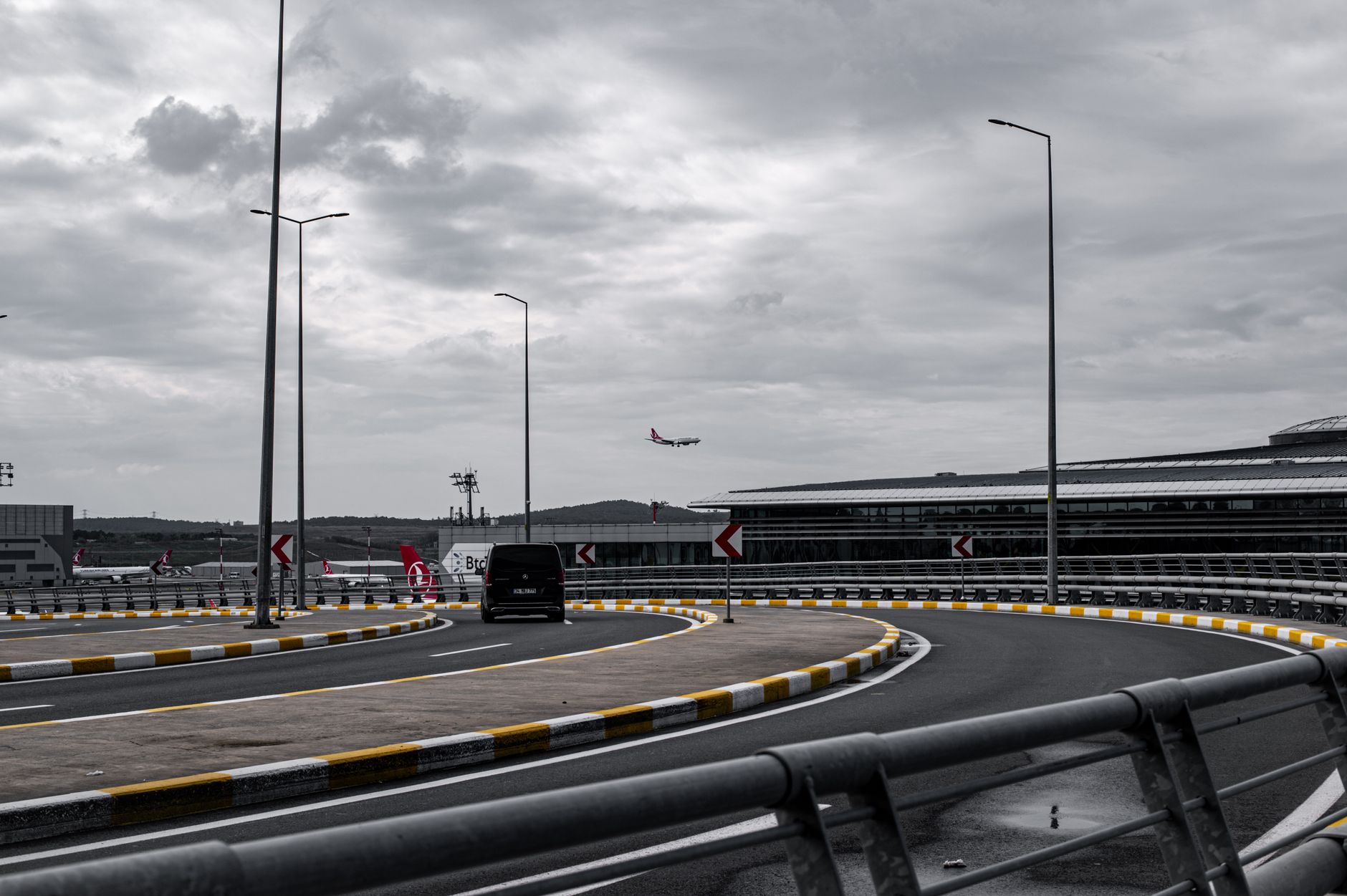
AIRPORT TOWN · from $45
Nedumbassery
Cochin airport's village — hotels for red-eye flights, the Munnar road east, and Kalady and Malayattoor on the doorstep.
Stays in Nedumbassery
RIVER JUNCTION TOWN · 1 hotel · from $28
Aluva
The transport hinge of Kochi — metro terminus, main railway stop, ten minutes from the airport, and a river with sand banks.
Stays in Aluva
RIVER ELEPHANT VILLAGE · from $20
Kodanad
A quiet Periyar-side village 40 km from Kochi, known for its elephant centre, the Malayattoor pilgrim hill and river crossings.
Stays in KodanadDoing good is the business
Every booking in Kochi removes one tonne of CO₂
Same hotel, same room, same live price you would pay anywhere else — IMPT funds one verified tonne of carbon removal per stay, never added to your bill.